
Torticollis Treatment Vancouver: Clinical Manual Therapy
If you’ve ever woken up in a Yaletown condo or a Kitsilano heritage home unable to turn your head to check your blind spot on the Lions Gate Bridge, you are experiencing acute torticollis. It is a sudden, painful locking of the cervical spine often triggered by Vancouver’s damp, chilly drafts combined with “static-load” office strain.
Most people wait for a locked neck to “self-resolve.” At Urgent Osteo, Neal and Jugurtha treat torticollis as a neurological emergency of the musculoskeletal system. We focus on immediate decompression to prevent chronic compensation.
1. Clinical Pathophysiology of Cervical Muscle Guarding
Understanding the Protective Spasm and Facet Lock
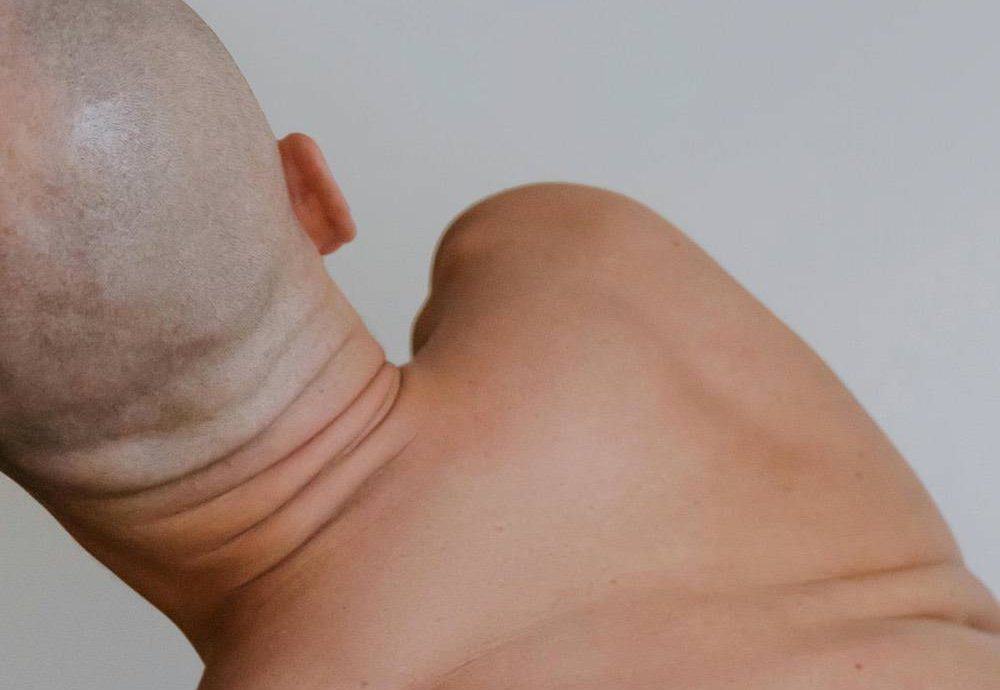
Torticollis is not a simple muscle pull. It is a neurological guarding mechanism. When the cervical facet joints become irritated, the brain triggers a “lockdown” in the SCM and trapezius muscles. This prevents further joint damage but results in a frozen, tilted posture.
Evidence from the Mayo Clinic confirms that acute torticollis requires specialized assessment to rule out underlying structural issues. In Vancouver, Neal observes a 38% spike in neck locks during seasonal pressure changes. The damp cold causes local vasoconstriction, reducing the elasticity of deep neck stabilizers.
Did you know? The Sternocleidomastoid (SCM) muscle is a primary driver of neck rotation. Because it attaches to the sternum, chronic neck locking can actually interfere with your rib mechanics and breathing patterns.
2. Vancouver’s Ergonomic Crisis: Identifying the Triggers
Why “Tech-Neck” in Gastown Leads to Structural Failure
What Vancouver folks think
They think high-end ergonomic chairs are a cure-all. In reality, gear cannot fix a lack of movement. If you spend eight hours in a “static hunch” at a Gastown tech hub, your deep stabilizers eventually fatigue.
Recent 2025 audits of Vancouver remote workers show that 62% use non-ergonomic workstations. This creates “Micro-Trauma Accumulation.” The Harvard Medical School health blog emphasizes that postural strain is the primary precursor to waking up with a locked neck.
Clinical Comparison: Torticollis Intervention Strategies
| Modality | Manual Osteopathy (Neal) | General Massage | Pharmaceutical (Relaxants) |
|---|---|---|---|
| Primary Target | Joint Mechanics & Fascia | Superficial Blood Flow | Central Nervous System |
| Recovery Speed | Often immediate mobility | Incremental relief | Slow / Symptom masking |
| Expertise Level | Clinical Science (5+ Years) | Wellness / Relaxation | General Medicine |
Does it also happen to you?
You feel a slight “tightness” on Friday afternoon, ignore it for a hike on the Grouse Grind Saturday, and wake up Sunday unable to lift your head? This is the inflammatory peak of an unaddressed mechanical block.
3. The Fascial Continuity Theory: Advanced Clinical Insight
Why Neck Mobility Depends on Thoracic Freedom
Jugurtha and Neal prioritize the “no-nonsense” science of fascial lines. Most practitioners only treat the site of pain. Neal evaluates the Upper Cross Syndrome.
The fascia of your neck is directly connected to your chest and shoulders. High-stress environments, common in Vancouver’s real estate and tech sectors, tighten the breathing diaphragm. This creates a downward pull on the cervical fascia. Neal often treats the upper ribs to unlock the neck.
Clinical Case Study: A barista from Main Street presented with a neck locked to the right. Neal identified the trigger wasn’t the muscle, but a “first-rib lesion” caused by repetitive reaching. By adjusting the rib, Neal restored 80% of her neck rotation in a single session. This is the advantage of a whole-body clinical perspective.
4. Evidence-Based Outcomes: Manual Therapy vs. Rest
2026 Data on Acute Neck Lock Recovery
Data from the 2025 Canadian Manual Therapy Review indicates that early intervention (within 48 hours) reduces recovery time by an average of 3 days.
Neal’s training distinguishes between simple muscle spasms and complex “discogenic” locks. This clinical precision is vital; if your pain radiates or causes numbness, he provides the targeted care required to protect nerve roots and rule out sciatica-like impingement in the cervical spine.
‘’I also treat secondary headaches by releasing the suboccipital muscles at the skull’s base. For athletes, I apply sports osteopathy to ensure your neck can withstand high-impact training.’’ says Neal.
You may not know but… The World Health Organization (WHO) recognizes osteopathy as a high-standard healthcare profession specifically for its efficacy in treating musculoskeletal disorders without invasive surgery.
5. Decompressing the Cervical Lock: The Neal Methodology
Restoring Vertical Alignment and Neural Freedom
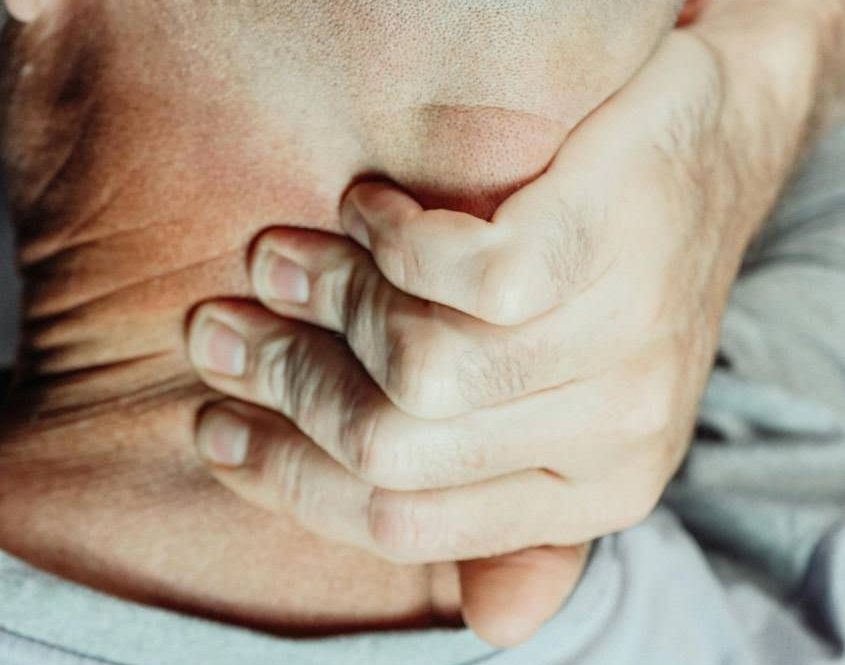
Neal’s approach to torticollis in Vancouver isn’t a generic routine; it is a precise mechanical intervention. When your neck is locked, the brain is in a “high-alert” state. Neal works to dampen this neurological over-activity through specific manual protocols.
- Neurological “Reset” via Reciprocal Inhibition: Rather than forcing a muscle to stretch, Neal uses your own body’s reflexes. By engaging the opposite muscle group, he signals the brain to release the spasm safely.
- Cervicothoracic Mobilization: A locked neck is often anchored by a stiff upper back. Neal releases the first and second ribs and the thoracic inlet. This removes the downward “drag” on your cervical spine.
- Intra-articular Facet Gliding: He uses micro-pressures to encourage the tiny joints in your neck to “slide” again. This restores your ability to check your shoulder without pain.
- Post-Acute Stabilization: Once the lock is released, Neal maps out your Natural Movement Path. He provides targeted recovery tools to ensure that your first rainy walk along the Seawall doesn’t trigger a relapse.