

Back pain from shoveling snow: how to prevent it and when to see an osteopath in Montreal
It happens every winter in Montreal. The first real snowfall arrives, you clear the driveway and dig out the car before work, and the next morning your lower back won’t let you stand up straight. Most shoveling injuries come down to technique and doing too much too fast, which means most of them can be prevented. And if your back is already hurting, an osteopath can help you move more comfortably again, once warning signs that need a doctor have been ruled out.
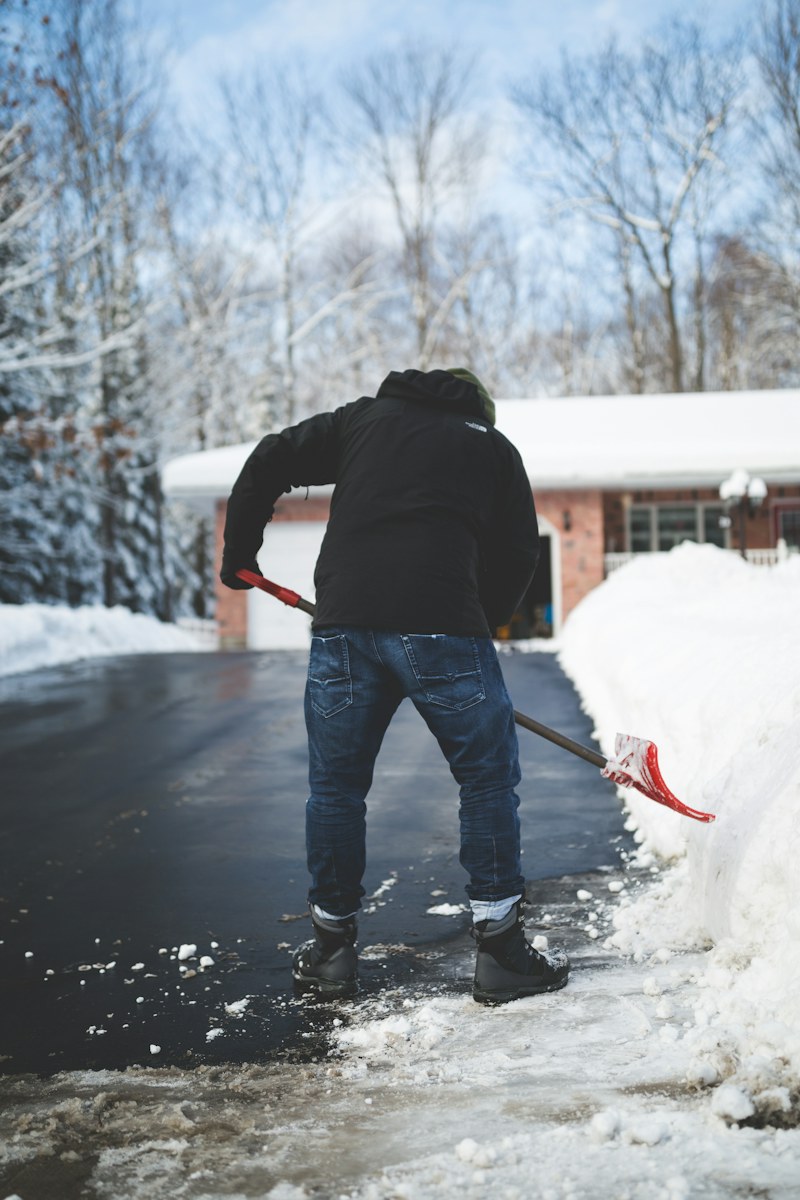
With snow usually settling in during November and winter tires mandatory in Quebec from December 1, now is a good time to get ready.
Why shoveling is so hard on your back
Shoveling means lifting a heavy load, held away from your body, dozens of times in a row. Early-season snow is often wet and especially heavy. Three habits cause most of the trouble we see at the clinic:
- Twisting: throwing snow over your shoulder by rotating your upper body while your feet stay planted. This is the riskiest movement for your lower back.
- Rounding your back: bending at the waist with straight legs instead of bending your knees.
- Going in cold: jumping straight into hard work with stiff muscles and no warm-up.
The usual result is acute low back pain (often called a “pulled back” or lumbago), sometimes with pain into the buttock or leg, as well as sore shoulders and neck. The Quebec government also notes that the repetitive motion of shoveling can cause back, shoulder and neck pain.
7 tips to shovel snow without hurting your back
- Warm up for 5 minutes. A few gentle back bends, shoulder rolls and marching on the spot get your muscles ready.
- Bend your knees, not your back. Feet shoulder-width apart, back straight, let your legs do the work and keep the shovel close.
- Don’t twist. Turn your whole body by moving your feet, and never toss snow over your shoulder.
- Push rather than lift. A snow pusher or an ergonomic shovel with a bent handle saves a lot of effort. When you must lift, take smaller loads and keep them below about 1.3 m (4 ft).
- Shovel little and often. During a storm, two or three short sessions beat one long session on packed, heavy snow.
- Take breaks. Stop every few minutes, straighten up, breathe and drink some water.
- Watch for ice. Good non-slip boots and some grit on the steps help avoid falls, another common cause of winter back injuries.
You hurt your back shoveling: what now?
- Stop and leave the rest of the driveway for later.
- Keep moving gently. Staying in bed usually makes stiffness last longer. Walk a little and change positions often.
- Ice, then heat: cold can ease pain in the first hours; after that, heat often helps muscles relax.
- Avoid heavy lifting for the next few days.
- Learn more in our article on treating lower back pain with osteopathy.
When to see an osteopath
Book a visit if the pain stops you from moving normally, sleeping or working, or if it isn’t easing after 48 to 72 hours. Your osteopath starts with an assessment to make sure your situation is appropriate for osteopathy, then uses gentle hands-on techniques to help release tension and restore mobility. You’ll also leave with practical advice for the rest of the winter.
At Urgent-Osteo, we offer same-day appointments at our clinic at 1814 Saint-Joseph Blvd East, in the Plateau-Mont-Royal, or at home anywhere on the island of Montreal, the North Shore and the South Shore. Handy when sitting in a car is the last thing you can manage. See our emergency and home visit service.
When to see a doctor or go to the ER instead
Some symptoms are not for an osteopath. Call 911 or go to the emergency room if, during or after shoveling, you have:
- chest pain or pressure, unusual shortness of breath, pain spreading to the arm, jaw or back, sweating or nausea (possible heart warning signs);
- weakness in a leg, numbness in the groin area, or trouble controlling your bladder or bowels;
- back pain after a fall or hard impact, or back pain with fever.
See a doctor as well if pain running down your leg keeps getting worse (read more about sciatica). If you have heart disease or risk factors, the Quebec government recommends checking with your doctor before the season starts (Quebec.ca).
FAQ
Is it normal for my back to hurt after shoveling snow?
Mild stiffness the next day is common, especially early in the season. Sharp pain, feeling “locked”, or pain that travels down the leg is not something to ignore if it lasts.
How long does a pulled back from shoveling last?
It varies from person to person. Many cases improve within a few days to a few weeks. If the pain isn’t easing after 48 to 72 hours or keeps you from your daily activities, get it checked.
Can an osteopath come to my home if I can’t move?
Yes. Urgent-Osteo offers home visits across the island of Montreal, the North Shore and the South Shore, with same-day appointments.
Should I use ice or heat on my back?
Cold can help in the first hours after the injury. After that, heat often helps tight muscles relax. Stop if either one makes the pain worse.
Related articles
Book an appointment
Back locked up after shoveling? Our osteopaths can see you today, at our Plateau clinic or in your home. More than 1,000 patients have left us a Google review. Book online
Written by Jugurtha Boumali, Osteopath and founder of Urgent-Osteo (Montreal and Vancouver). Graduate of an osteopathic school accredited by the French Ministry of Health. He focuses on urgent mechanical pain, such as acute back and neck pain. This article is for information only and does not replace medical advice.