
Why Am I Stiff Every Morning? Understanding Morning Stiffness and What You Can Do About It
Morning stiffness is one of the most common patterns seen in osteopathic practice.
When patients come in, they rarely describe it in technical terms. It usually sounds more like: “my body feels locked in the morning”, “it takes me a while to loosen up”, or “I don’t move like I used to when I wake up.”
In clinic, Neal often sees that this sensation is not coming from one single structure, but from how the body has gradually adapted its movement, load distribution, and recovery over time.
This is where osteopathic assessment becomes particularly relevant. Rather than focusing only on the area that feels stiff, the goal is to understand why the body is choosing that movement pattern in the first place, and what is maintaining it.
Why Do We Feel Stiff in the Morning?
After several hours of sleep, the body is in a relatively static position. That’s expected.
For most people, stiffness fades quickly once movement begins.
When it becomes persistent, it is usually influenced by a mix of factors:
- Reduced joint mobility over time
- Protective muscle tension patterns
- Previous injuries that changed movement behavior
- Long periods of sitting or limited movement variety
- Stress, sleep quality, and recovery capacity
- In some cases, osteoarthritis
From an osteopathic point of view, stiffness is rarely “local.” It is usually the expression of a broader adaptation in how the body organizes movement.
How Osteopathy Actually Helps Morning Stiffness (Clinical Perspective)
What makes osteopathic care different in cases of morning stiffness is not only the techniques used, but the way the problem is analyzed.
Instead of asking “where is it stiff?”, the assessment is closer to:
“where is movement not being distributed well anymore?”
Neal often finds that the area patients feel is stiff is not necessarily the area driving the restriction.
For example, a “stiff lower back” in the morning may be influenced by limited hip rotation, reduced rib cage mobility, or old ankle restrictions that have subtly changed gait mechanics over time.
From there, treatment is aimed at restoring movement options across the system, not just treating the symptomatic region.
Osteopathic treatment may therefore focus on:
- Areas of restricted joint mobility that are not painful but mechanically relevant
- Muscle groups maintaining protective or compensatory patterns
- Connective tissue restrictions that limit load transfer between regions
The goal is not to force change, but to reduce unnecessary mechanical resistance so the body can reorganize movement more efficiently.
Over time, this often results in a simpler outcome for patients: movement feels less “stuck” in the morning, and the system requires less effort to get going.
Is Morning Stiffness a Sign of Arthritis?
It can be, but it is only one possible explanation.
Osteoarthritis is commonly associated with morning stiffness, especially in the hips, knees, spine, and hands.
However, stiffness does not always correlate directly with structural change. In many cases, it reflects how the nervous system, muscles, and joints have adapted to load and movement over time.
When osteoarthritis is present, the entire joint environment adapts — not just cartilage, but also surrounding tissues and movement strategies.
This is why stiffness is often more noticeable after rest and tends to decrease once movement resumes.
Why Movement Changes Everything
The human body is fundamentally built around movement.
Joints rely on motion for nutrition, tissue adaptation, and fluid exchange. Without regular movement, the system becomes less efficient at handling load.
When movement resumes:
- Joint surfaces begin to rehydrate and lubricate
- Muscle coordination improves
- Tissue stiffness temporarily decreases
- The nervous system reduces protective output
This is why most people experience a natural reduction in stiffness after a few minutes of activity.
That said, osteopathy does not view movement alone as the solution, but as something that becomes more effective when the mechanical system is functioning well.
Current clinical guidelines consistently recommend exercise and physical activity as first-line management for osteoarthritis. Research also supports manual therapy as a useful adjunct to improve short-term mobility and comfort, particularly when integrated with an active approach to care.
The Role of Old Injuries
One of the most consistent clinical findings in practice is the long-term influence of past injuries.
A sprained ankle, knee injury, or episode of back pain can alter movement patterns in ways that persist long after symptoms have resolved.
The body adapts in order to protect itself, but those adaptations can remain even when healing is complete.
Over time, this can change how forces travel through the system and contribute to morning stiffness in areas that are not the original site of injury.
How Osteopathy May Help Morning Stiffness
People seeking osteopathy in Vancouver often don’t present with a single clear diagnosis. They describe a gradual change: less mobility, more stiffness, and a body that takes longer to “get going” in the morning.
Neal’s approach is to identify how the body is organizing movement as a whole system.
A stiff region is rarely treated in isolation.
Instead:
- Lower back stiffness is often linked to hip mechanics
- Neck stiffness may involve the upper back and rib cage
- Knee symptoms can be influenced by ankle or hip function
Treatment is directed at restoring more efficient movement relationships between these regions, rather than focusing only on where the sensation is felt.
What Happens in Treatment?
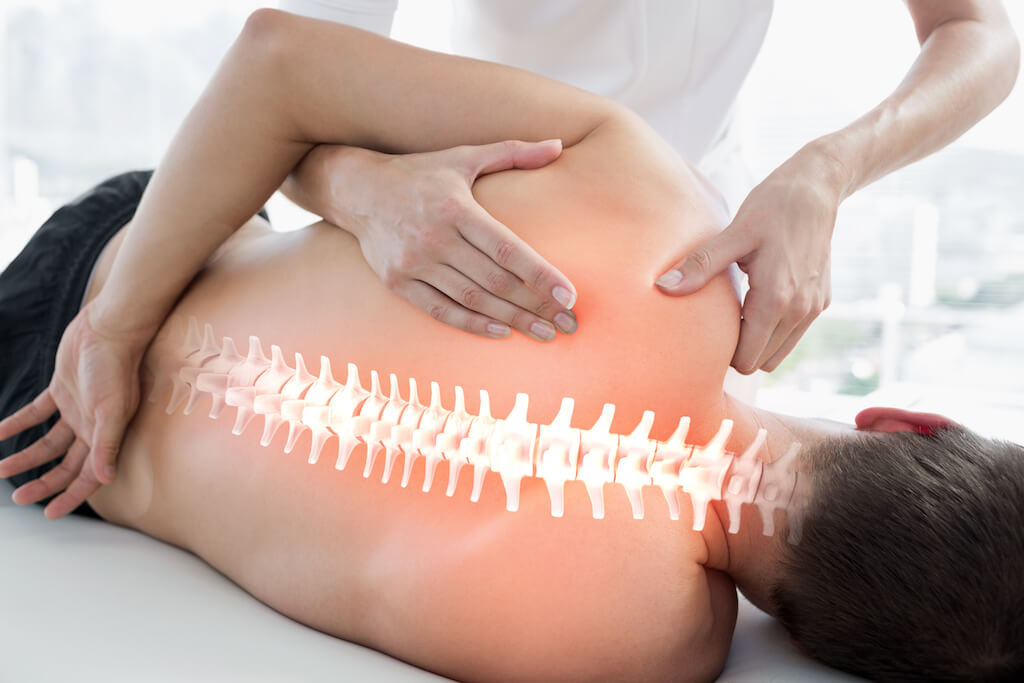
Osteopathic treatment for morning stiffness is tailored to each individual. The goal is not simply to treat the area that feels stiff, but to understand why movement has become restricted and how the body has adapted over time.
After a thorough assessment, Neal may use a combination of techniques to improve mobility in joints, muscles, fascia, and other connective tissues that may be contributing to stiffness. Treatment often focuses on restoring movement in key areas such as the hips, spine, ribs, shoulders, or other regions that influence how the body moves as a whole.
Depending on the findings, treatment may include:
- Joint mobilization techniques
- Soft tissue and myofascial techniques
- Muscle energy techniques
- Functional osteopathic approaches
- Diaphragmatic or visceral techniques when relevant
In many cases, the goal is not to make one joint move more, but to improve how different parts of the body work together. As movement becomes more efficient, patients often notice that they loosen up more quickly in the morning, move with greater ease, and feel less restricted during daily activities.
Osteopathic treatment aims to support the body’s natural ability to adapt, move, and function comfortably over time.
Suggested Follow-Up Plan
When stiffness has been present for a while, it usually reflects a pattern that has developed over time. For that reason, change tends to be gradual rather than immediate.
Neal often suggests an initial phase of 2 to 4 sessions over a few weeks, depending on presentation.
This allows time to:
- Observe how the body responds between sessions
- Address key mechanical restrictions progressively
- Adjust treatment based on movement changes
After this phase, care may shift toward occasional maintenance or a more independent, movement-based approach depending on the patient’s goals.
The objective is always the same: improve capacity, not create dependency.
When Should You Get Checked?
Morning stiffness is common, but it becomes more relevant when it starts to change daily function.
An assessment may be useful if you notice:
- Increasing stiffness over time
- Reduced mobility compared to previous years
- Difficulty maintaining usual activity levels
- Recurring stiffness after old injuries
- Symptoms affecting daily movement
Osteopathy in Vancouver for Morning Stiffness
Most people don’t suddenly become stiff. It develops gradually, small changes in movement, recovery, and load that accumulate over time.
At our Urgent-Osteo clinic, Neal provides personalized osteopathy in Vancouver for individuals experiencing stiffness, reduced joint mobility, osteoarthritis-related symptoms, and movement restrictions.
The focus is not just on symptom relief, but on understanding how the body is functioning, where movement is being limited, and how to restore more efficient global mechanics.
Book Your Appointment
If you are waking up with stiffness every morning, noticing reduced mobility, or feeling that your body is not moving as freely as it used to, an osteopathic assessment may help clarify what is going on.
Contact our Urgent-Osteoèt clinic to book an appointment with Neal and begin working toward more comfortable, efficient movement in daily life.